Diabetes and the eyes
Diabetic retinopathy damages the blood vessels of the retina and often has no symptoms early on. The National Eye Institute advises people with diabetes to get a dilated eye exam at least once a year and to manage blood sugar, blood pressure and cholesterol (NEI).
What Visivra contains
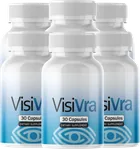
Lutein, zeaxanthin, bilberry extract, astaxanthin, zinc and vitamin A. It is a capsule, not a gummy or drink. Nothing in it is designed to change blood sugar, and it is not a substitute for diabetes or eye treatment.
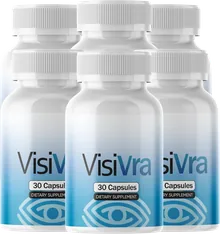
Best Visivra price today: 6 bottles at $49 each (save $780) or 3 bottles at $69 each with free US shipping. One-time payment, no autoship, 60 days to decide.
Check Today’s Discount ›Questions to ask your doctor
- Is an eye supplement OK with my current medicines?
- Do my other supplements already contain zinc or vitamin A (zinc limits)?
- How often should my eyes be checked?
Warning signs that need care now
Sudden blurry vision, many new floaters, dark areas or flashes need prompt eye care (NEI). See floaters and Visivra.
How diabetes affects the eyes
Diabetes can affect several parts of the eye (NEI):
- Diabetic retinopathy: damage to the small blood vessels in the retina.
- Diabetic macular edema: swelling in the macula that blurs central vision.
- Cataracts: people with diabetes tend to develop them earlier (NEI).
- Glaucoma: diabetes is linked with higher risk (NEI).
Many of these have no early symptoms, which is why the yearly dilated exam is so important.
Fluctuating vision with blood sugar
High blood sugar can make the lens swell temporarily and blur vision, which usually settles when blood sugar is better controlled. If your vision changes from day to day, mention it to your doctor and avoid getting new glasses until your levels are stable. This kind of blur is not something a supplement can fix.
Your diabetes eye-care checklist
| Step | Why |
|---|---|
| Dilated eye exam at least yearly | Finds retinopathy early, when treatment works best (NEI) |
| Blood sugar in your target range | Lowers risk of eye damage |
| Blood pressure and cholesterol control | Protects blood vessels in the retina |
| No smoking | Smoking adds to blood vessel damage |
| Report sudden changes fast | Floaters, dark spots or sudden blur need prompt care (NEI) |
Supplements and diabetes medicines
Bilberry has traditionally been used for high blood sugar, and NCCIH advises anyone who takes medicine to talk with their health care provider before using bilberry, because some herbs and medicines interact (NCCIH). Zinc also interacts with some medicines (NIH ODS). This doesn’t mean Visivra is off-limits; it means your doctor or pharmacist should look at the label alongside your medication list, and you should monitor your blood sugar as usual when starting anything new.
Where Visivra can help, with your doctor’s OK
For people whose diabetes is well managed and whose doctor agrees, Visivra can provide daily lutein and zeaxanthin for the macula, antioxidant support and vitamin A for low-light vision. It does not lower blood sugar and does not treat retinopathy. Treat it as part of the “healthy habits” column, next to diet, exercise and regular exams. For questions about safety in general, see eye supplements that actually work.
Reader questions
Will Visivra affect my blood sugar readings?
Its ingredients aren’t designed to change blood sugar, but monitor as usual when starting anything new and tell your doctor about all supplements.
Is there sugar in the capsules?
Capsules typically contain little or no sugar; check the “other ingredients” line on the bottle.
Do I still need a yearly eye exam if my eyes feel fine?
Yes. Diabetic retinopathy often has no symptoms early on (NEI).
In short
For people with diabetes, the foundations of eye protection are blood sugar control, blood pressure and cholesterol management, no smoking and a dilated eye exam at least once a year. An eye nutrition supplement can sit alongside those foundations if your doctor agrees, but it never replaces them. Bring the Visivra label to your next appointment and ask.
Healthy eating for eyes and blood sugar
The good news is that an eye-friendly diet and a diabetes-friendly diet overlap a lot. Leafy greens, broccoli and peppers are low in carbohydrates and rich in lutein and zeaxanthin. Oily fish provides omega-3s without raising blood sugar. Beans and lentils add fiber and some zinc. Berries are lower in sugar than many fruits and rich in anthocyanins (anthocyanins for eyes). Eggs provide well-absorbed lutein. Building meals around these foods supports both your eyes and your blood sugar goals. Work with your doctor or a dietitian to fit them into your plan, and keep your yearly dilated eye exam (NEI).
One more reader question
Can Visivra help diabetic dry eyes?
Dry eye is common with diabetes. Vitamin A supports the eye surface (NIH ODS), but persistent dryness should be checked by an eye doctor.
Where Visivra can fit
With your doctor’s OK, Visivra can be part of a daily routine that supports the macula and eye comfort during screen time, alongside the exams and treatment you already have.*
Read the Visivra details on the official page
FAQ
Can diabetics take Visivra?
Many can, but ask your doctor first. Visivra doesn’t treat diabetes or diabetic eye disease.
Does Visivra contain sugar?
It is a capsule; check the label on your bottle for the full list of other ingredients.
Can Visivra prevent diabetic retinopathy?
No. Blood sugar control and yearly dilated exams are what protect your eyes.
Sources
- National Eye Institute (NIH): Diabetic retinopathy
- National Eye Institute (NIH): Floaters
- National Eye Institute (NIH): Cataracts
- National Eye Institute (NIH): Glaucoma
- NCCIH (NIH): Bilberry
- NIH Office of Dietary Supplements: Zinc
- NIH Office of Dietary Supplements: Vitamin A and carotenoids
General information, not medical advice. Prices and product details come from the official Visivra order page and bottle, checked November 6, 2026; the checkout page and the label on your bottle take priority. Read our disclaimer.