About that carrot thing
You’ve heard that carrots help you see in the dark. There’s a kernel of truth: carrots contain beta-carotene, which your body can turn into vitamin A, and you do need vitamin A to see in low light. But the NIH Office of Dietary Supplements says vitamin A deficiency is rare in the United States because most people get enough from the foods they eat (NIH ODS). If you aren’t deficient, eating more carrots doesn’t give you better vision, it just gives you orange hands if you go overboard.
What eyes do use, and where to find it
| Nutrient | Why your eyes care | Good food sources |
|---|---|---|
| Lutein + zeaxanthin | Build macular pigment (explained here) | Spinach, kale, collards, eggs, corn, orange peppers (NEI) |
| Vitamin A (and beta-carotene) | Low-light vision and eye surface | Sweet potatoes, carrots, spinach, dairy, eggs (NIH ODS) |
| Zinc | Helps vitamin A work in the retina | Meat, beans, nuts, dairy (NIH ODS) |
| Omega-3 fats | General health; part of NEI’s eating advice | Salmon, tuna, sardines (NEI) |
| Anthocyanins | Antioxidants studied for eye comfort (anthocyanins for eyes) | Blueberries, black currants, purple grapes |
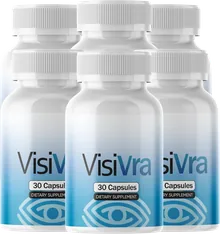
Best Visivra price today: 6 bottles at $49 each (save $780) or 3 bottles at $69 each with free US shipping. One-time payment, no autoship, 60 days to decide.
Check Today’s Discount ›The fat trick
Lutein, zeaxanthin and beta-carotene are fat-soluble. A plain salad gives you less than the same salad with olive oil, avocado or a boiled egg. This is the easiest upgrade in the whole article.
A week that doesn’t feel like homework
- Breakfast: scrambled eggs with a handful of spinach folded in.
- Lunch: kale or spinach salad with olive oil and canned salmon or chickpeas.
- Snack: a handful of walnuts, or an orange pepper with hummus.
- Dinner: roasted sweet potato with a green side; fish twice a week.
- Dessert: blueberries or purple grapes.
More specifics in foods high in lutein.
What food can’t do
It won’t fix a glasses prescription, reverse a cataract or cure macular degeneration. It helps protect what you have over decades. And you still need exams (NEI); see how often to get an eye exam.
When a supplement makes sense
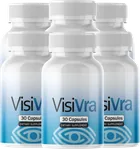
If you rarely eat greens, don’t like fish or just want a daily backstop, a formula can fill gaps. A trial in heavy screen users found that raising macular carotenoids improved visual performance and eased strain (PubMed). It doesn’t replace the plate above. If you want to look at one, Visivra combines lutein, zeaxanthin, bilberry, astaxanthin, zinc and vitamin A in one daily capsule (we may earn a commission through that link), and our buying checklist shows how to judge any formula, including that one.
Cooking tips that keep the nutrients useful
- Use frozen spinach or kale when fresh greens don’t last; they work in soups, omelets and pasta.
- Always add some fat: olive oil, avocado, cheese, nuts or the yolk of an egg.
- Cook orange vegetables lightly with oil; roasting sweet potatoes and carrots makes their carotenoids easier to absorb.
- Keep skin on where it’s edible, for fiber.
If you eat differently
| If you’re… | Try |
|---|---|
| Vegetarian or vegan | More greens, corn, orange peppers, nuts and seeds; algae-based omega-3 if you want it (supplement checklist) |
| Not fond of greens | Blend spinach into smoothies; add to sauces; try roasted kale chips with oil |
| On a budget | Frozen greens, canned salmon or sardines, eggs, beans and seasonal fruit |
| Managing blood sugar | Greens, peppers and fish fit well; check portions of sweet fruit with your dietitian (Visivra for diabetics) |
Quick answers
Is eating a lot of carrots dangerous?
Beta-carotene from food has no upper limit, but very large amounts can tint your skin orange, which is harmless and fades (NIH ODS).
Do I need organic?
Eat the produce you can afford and will actually eat. Washing and variety matter more than the label.
What matters most?
Variety, regular greens and fish, and not smoking. The details matter less than consistency.
One safety note
Get vitamin A from food, not from stacking supplements. The upper limit of 3,000 mcg a day applies to preformed vitamin A from supplements and animal sources, not to the beta-carotene in vegetables (NIH ODS). More on that in vitamin A for eyes.
FAQ
Do carrots really improve eyesight?
Only if you are short of vitamin A, which is rare in the US. Otherwise they’re just a healthy vegetable.
What is the best food for eye health?
Dark leafy greens such as spinach, kale and collards, because they’re the richest common sources of lutein and zeaxanthin.
Should I eat eggs for my eyes?
Eggs contain lutein and zeaxanthin and the yolk fat helps you absorb them, so they’re a convenient choice.
Can food alone give me enough lutein?
Some people get plenty from greens. Many don’t eat them daily, which is when a supplement can fill the gap.
Sources
- NIH Office of Dietary Supplements: Vitamin A and carotenoids
- National Eye Institute (NIH): Keep your eyes healthy
- NIH Office of Dietary Supplements: Zinc
- National Eye Institute (NIH): Get a dilated eye exam
- PubMed: Macular carotenoid supplementation improves visual performance, sleep quality and physical symptoms in people with high screen time (Foods, 2017)
General information, not medical advice. Prices and product details come from the official Visivra order page and bottle, checked November 6, 2026; the checkout page and the label on your bottle take priority. Read our disclaimer.