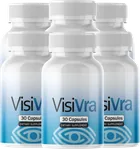
What lutein does well
Lutein is the star of eye nutrition. With zeaxanthin it forms macular pigment, which filters blue light and protects the cells behind sharp central vision. AREDS2 put lutein and zeaxanthin into the NIH eye formula (NEI), and carotenoid supplements raise macular pigment density (PubMed). Read macular pigment explained.
What lutein alone misses
- Anthocyanins: bilberry’s purple antioxidants, studied in screen workers (PubMed).
- Astaxanthin: a carotenoid antioxidant studied with lutein and anthocyanins for eye function (PubMed).
- Vitamin A + zinc: needed for seeing in dim light (NIH ODS; NIH ODS).
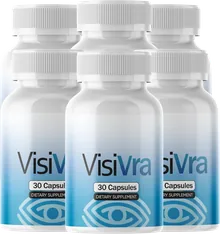
Best Visivra price today: 6 bottles at $49 each (save $780) or 3 bottles at $69 each with free US shipping. One-time payment, no autoship, 60 days to decide.
Check Today’s Discount ›Cost comparison
| Plain lutein | Lutein + bilberry + astaxanthin bought separately | Visivra (6-pack) | |
|---|---|---|---|
| Bottles to manage | 1 | 3 | 1 |
| Capsules a day | 1 | 3 | 1 |
| Cost per day | Low | Adds up | About $1.63 |
| Money-back guarantee | Varies | Varies | 60 days |
Full math in Visivra cost per day.
Who should pick which
Choose plain lutein if you only want macular pigment support at the lowest cost. Choose Visivra if your eyes work hard on screens, you notice low-light trouble, or you want one daily capsule that covers more of the eye-nutrition picture. Don’t take both unless you check your total intake.
How much lutein does research use?
The AREDS2 trial used 10 mg of lutein and 2 mg of zeaxanthin a day (PubMed), and that 5:1 ratio has become a common reference point for eye formulas. The 2017 screen-time study also used a combination of macular carotenoids rather than lutein alone (PubMed). In other words, even the “lutein” research is really lutein-plus-zeaxanthin research, which is a good reason to choose a product that contains both. Read lutein and zeaxanthin together.
Three ways people combine eye nutrients
| Approach | Pros | Cons |
|---|---|---|
| Plain lutein capsule | Cheap, simple, well studied | Covers macular pigment only |
| DIY stack (lutein + bilberry + astaxanthin + a multi) | Full control over each dose | Three or four bottles, more cost, easy to double up on vitamin A and zinc |
| Combined eye formula (Visivra) | One capsule, six nutrients, 60-day guarantee | Per-capsule mg amounts are on the bottle, not the order page |
The case for adding bilberry and astaxanthin
If your main complaint is how your eyes feel after a long screen day, it is worth looking beyond lutein. Bilberry extract improved objective findings for the eye’s focusing muscle in a 12-week trial in screen workers (PubMed), and a placebo-controlled study of anthocyanins, astaxanthin and lutein together reported better eye-function scores (PubMed). These nutrients target the strain side of screen use, while lutein and zeaxanthin target the macula. Read anthocyanins for eyes for more on bilberry.
The case for vitamin A and zinc
Vitamin A is required to make rhodopsin, the pigment your eyes use in dim light, and a deficiency causes night blindness and dry eyes (NIH ODS). Zinc helps move vitamin A to the retina (NIH ODS). A lutein-only product gives you none of this. If night driving or dim rooms are part of your complaint, a combined formula covers more ground.
Safety when switching
If you already take a lutein supplement and want to switch to Visivra, simply stop the old product the day you start the new one; there is no need to overlap. If you prefer to keep both, check your total carotenoid intake and talk to a pharmacist, especially if you also take a multivitamin with vitamin A. Lutein has a good safety record at normal doses (lutein side effects).
Our recommendation
Choose plain lutein if your diet is otherwise excellent, your eyes feel fine and you just want macular pigment insurance on a budget. Choose Visivra if your eyes work hard on screens, you notice low-light or comfort issues, or you’d rather take one capsule than build a stack yourself.
Reader questions
Is lutein from marigold flowers the same as lutein from spinach?
Yes. Most supplement lutein is extracted from marigold petals, and it is the same molecule your body gets from greens. Absorption depends mainly on taking it with some fat.
Can I alternate between products?
You can, but consistency helps more than switching. Pick one daily product and give it 8–12 weeks.
Reading a lutein label
When you compare products, look for three things on the label: the amount of lutein in milligrams, whether zeaxanthin is included, and the source (often “marigold extract”). Some cheap products list “lutein esters,” which your body converts to free lutein; that is fine, but the number on the label may refer to the ester weight rather than free lutein. For a multi-ingredient formula like Visivra, check the Supplement Facts panel on the bottle for each ingredient. Whatever you choose, take it daily with a meal that contains some fat, and give it at least three months.
One more reader question
Is more lutein always better?
No. Moderate daily intake, taken consistently, is what research supports.
Bottom line
Lutein is essential, but it isn’t the whole story. Get the six-nutrient Visivra formula.
FAQ
Does Visivra contain lutein?
Yes, along with zeaxanthin, bilberry extract, astaxanthin, zinc and vitamin A.
Can I take Visivra and a lutein supplement together?
It is usually unnecessary. If you want to, check your total carotenoid, vitamin A and zinc intake with a pharmacist.
Is plain lutein enough for eye strain?
Lutein helps the macula; for screen-heavy days, bilberry and astaxanthin add antioxidant support that lutein alone doesn’t.
Sources
- National Eye Institute (NIH): AREDS/AREDS2 clinical trials
- PubMed: Antioxidant supplementation, macular pigment optical density and visual function, a network meta-analysis (Adv Nutr, 2024)
- PubMed: 12 weeks of bilberry extract and ciliary-muscle findings in visual display terminal workers (Nutrients, 2020)
- PubMed: Anthocyanin, astaxanthin and lutein on eye functions, a randomized placebo-controlled study (J Clin Biochem Nutr, 2021)
- NIH Office of Dietary Supplements: Vitamin A and carotenoids
- NIH Office of Dietary Supplements: Zinc
- PubMed: Lutein + zeaxanthin and omega-3 fatty acids for AMD, the AREDS2 randomized trial (JAMA, 2013)
- PubMed: Macular carotenoid supplementation improves visual performance, sleep quality and physical symptoms in people with high screen time (Foods, 2017)
General information, not medical advice. Prices and product details come from the official Visivra order page and bottle, checked November 6, 2026; the checkout page and the label on your bottle take priority. Read our disclaimer.