What makes night driving hard
In the dark, your eyes rely on rod cells and the pigment rhodopsin, which needs vitamin A (NIH ODS). Oncoming headlights then test how quickly you recover from glare. Both get harder with age.
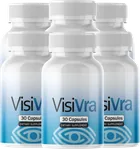
How Visivra supports night vision*
| Nutrient | Night-driving role |
|---|---|
| Vitamin A | Rhodopsin for dim-light vision; deficiency causes night blindness (MedlinePlus) |
| Zinc | Helps move vitamin A to the retina (NIH ODS) |
| Lutein + zeaxanthin | Macular pigment; supplements improved glare and visual performance in a 6-month trial (PubMed) |
| Bilberry | Anthocyanins, traditionally linked to night vision; NCCIH calls the evidence mixed (NCCIH) |
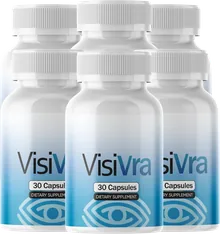
Best Visivra price today: 6 bottles at $49 each (save $780) or 3 bottles at $69 each with free US shipping. One-time payment, no autoship, 60 days to decide.
Check Today’s Discount ›When glare is a warning sign
The National Eye Institute lists headlights that seem too bright, halos around lights and trouble seeing at night among cataract symptoms (NEI). If glare is getting steadily worse, get a dilated exam. Read halos around lights at night and Visivra and cataracts.
Why night vision fades with age
Several changes add up after 40. The pupil gets smaller, so less light enters the eye. The lens gradually yellows and can become cloudy, which scatters light and causes glare (NEI). The retina’s rod cells may recover more slowly after bright light. And many people need an updated prescription without realising it. Nutrition can support the retina, but it can’t change pupil size or lens clarity. That is why a full approach combines eye care, the right glasses and good nutrition.
How rhodopsin and vitamin A work
Rod cells contain rhodopsin, a light-sensitive pigment made from a protein and a form of vitamin A. Each time light hits rhodopsin it changes shape and has to be regenerated, which uses vitamin A. Zinc helps transport vitamin A from the liver to the retina (NIH ODS). When vitamin A is short, rhodopsin can’t be rebuilt fast enough and seeing in dim light gets harder; severe deficiency causes night blindness (MedlinePlus).
Your night-driving checklist
| Area | What to do |
|---|---|
| Eyes | Dilated exam every 1–2 years after 60 or as advised (NEI); update glasses |
| Glasses | Keep lenses clean; ask about anti-reflective coatings; avoid tinted lenses at night |
| Car | Clean windshield inside and out; replace worn wipers; aim headlights correctly |
| Driving | Slow down; increase following distance; glance toward the right edge when cars approach |
| Nutrition | Daily Visivra with a meal; leafy greens; enough vitamin A (food ideas) |
Glare recovery and macular pigment
Macular pigment absorbs scattered blue light, which may help with glare. In the 6-month screen-time study, people taking macular carotenoids showed improvements in glare and contrast measures compared with placebo (PubMed). It’s a gradual change and won’t fix glare caused by a cataract, but it is one reason lutein and zeaxanthin feature in night-driving routines.
When to stop driving at night and get checked
If you find yourself avoiding night driving, misjudging distances, or seeing halos and starbursts that are getting worse, have your eyes checked before driving at night again. Cataract surgery often dramatically improves night vision, and a new prescription can make a big difference. Read halos around lights at night and Visivra and cataracts.
Reader questions about night driving
Do yellow “night driving” glasses help?
Yellow tints can make things look brighter, but they reduce the total light reaching your eyes, which can make night vision worse. Most eye experts advise against tinted lenses at night.
Is there an age when I should stop night driving?
There’s no set age. It depends on your vision, reaction time and comfort. If you feel unsafe, get an eye exam and talk to your doctor.
Does vitamin A help if I already eat well?
If your intake is already adequate, extra vitamin A won’t give you better-than-normal night vision (MedlinePlus). Its role is preventing shortfalls.
Planning safer night trips
Small planning changes reduce the strain of night driving. Choose well-lit routes you know, even if they take a few minutes longer. Leave earlier to avoid driving tired or rushed. Take breaks on long trips, because tired eyes recover from glare more slowly. Keep a clean microfibre cloth in the car for glasses, and avoid looking directly at oncoming headlights. If dusk is your hardest time, try to finish driving before it. Combine these with regular eye exams and steady nutrition for the retina, and night driving becomes more comfortable over time. If you ever feel unsafe, don’t drive at night until you’ve had your eyes checked.
One more reader question
Do anti-glare coatings help?
Anti-reflective coatings reduce reflections in your glasses, which many night drivers find helpful.
Tip: before a long night drive, clean your glasses and windshield, set your dashboard lights to their dimmest comfortable level, and plan a rest stop every two hours so tired eyes can recover.
Night driving safety tips
- Clean your windshield inside and out.
- Keep glasses up to date; use anti-reflective lenses if your doctor agrees.
- Look toward the right edge of your lane when cars approach.
- Dim dashboard lights.
Support your low-light vision with Visivra
FAQ
Does Visivra help with night vision?
It supplies vitamin A and zinc, which support the low-light vision cycle, plus lutein and zeaxanthin for glare performance.*
Why is night driving harder as I get older?
Pupils get smaller, the lens yellows and clouds, and glare recovery slows. Cataracts are a common cause of rising glare.
Is bilberry proven for night vision?
Not clearly. NCCIH says results are mixed. Visivra relies on vitamin A, zinc and carotenoids as well.
Sources
- NIH Office of Dietary Supplements: Vitamin A and carotenoids
- MedlinePlus (NIH): Vision, night blindness
- NIH Office of Dietary Supplements: Zinc
- PubMed: Macular carotenoid supplementation improves visual performance, sleep quality and physical symptoms in people with high screen time (Foods, 2017)
- NCCIH (NIH): Bilberry
- National Eye Institute (NIH): Cataracts
- National Eye Institute (NIH): Get a dilated eye exam
General information, not medical advice. Prices and product details come from the official Visivra order page and bottle, checked November 6, 2026; the checkout page and the label on your bottle take priority. Read our disclaimer.