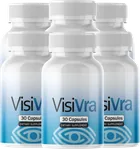
Your eye’s own filter
Lutein and zeaxanthin collect in the macula and give it a yellow color. That pigment absorbs short-wavelength blue light before it reaches the light-sensing cells, and it acts as an antioxidant. Learn more in macular pigment.
What the research shows
- Carotenoid supplements raise macular pigment density (PubMed).
- In adults with high screen time, 6 months of macular carotenoids improved visual performance and eased eye strain (PubMed).
- Plant compounds, including carotenoids and anthocyanins, are studied for protecting the retina from light-induced stress (PubMed).
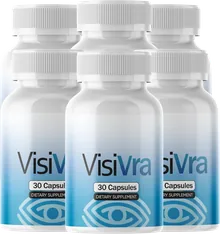
Best Visivra price today: 6 bottles at $49 each (save $780) or 3 bottles at $69 each with free US shipping. One-time payment, no autoship, 60 days to decide.
Check Today’s Discount ›Visivra vs blue-light glasses
| Visivra | Blue-light glasses | |
|---|---|---|
| How it works | Supports macular pigment from inside | Filters light at the lens |
| When it works | All day, builds over weeks | Only while worn |
| Adds antioxidants | Yes | No |
Where blue light comes from
Most blue light you see comes from the sun, which emits far more than any screen. Screens, LED bulbs and phones add a smaller but closer and longer-lasting dose, often for many hours a day. Blue light isn’t all bad: daytime blue light helps set your body clock and keep you alert. The concerns are long exposure at close range, glare, and evening exposure that can affect sleep.
What macular pigment does with blue light
Lutein and zeaxanthin peak in their ability to absorb light in the blue range. Concentrated in the macula, they act like a yellow filter in front of the most sensitive part of the retina. They are also antioxidants, which matters because light exposure creates oxidative stress in retinal cells (PubMed). The density of this pigment varies a lot between people, partly because of diet, and supplements raise it over time (PubMed). Learn more in macular pigment explained.
Screens and sleep
Evening screen use can delay sleep, and poor sleep makes eyes feel worse the next day. The 6-month study of macular carotenoids in heavy screen users also reported better sleep quality alongside fewer eye-strain symptoms (PubMed). Practical steps:
- Turn on night mode or a warm color setting after sunset.
- Dim screens and room lighting in the last hour before bed.
- Keep phones out of bed.
A complete blue-light and screen plan
| Layer | Action |
|---|---|
| Inside | Daily Visivra with a meal for lutein and zeaxanthin; leafy greens |
| Screen | Brightness matched to the room; night mode in the evening |
| Habit | 20-20-20 breaks and full blinks (CDC) |
| Outdoors | Sunglasses that block 99–100% of UVA and UVB (NEI) |
| Check-ups | Regular eye exams; ask about glasses for screen distance |
Do blue-light glasses help?
Some people find them comfortable, especially in the evening. Others notice little difference. They work only while worn and don’t change the cause of most screen strain, which is long close focus and less blinking. If you like them, keep using them; they combine well with Visivra. If you need glasses anyway, ask your eye doctor about lenses for computer distance, which often help more. For heavy users, see Visivra for gamers and eye vitamins for computer users.
Reader questions about blue light
Is blue light from screens damaging my eyes?
Screens emit far less blue light than the sun. Most screen discomfort comes from long close focus and less blinking. Still, macular pigment is your natural filter, and research in heavy screen users found benefits from raising it (PubMed).
Should children use blue-light filters?
For kids, screen limits, outdoor time and breaks matter more. Visivra is for adults only.
Does night mode on my phone help?
It shifts screen color warmer, which many people find more comfortable in the evening and may help with sleep.
In short
Blue light is part of everyday life. Your eyes already have a filter for it, macular pigment, and you can support that filter with lutein and zeaxanthin from food and supplements. Add regular screen breaks, sensible brightness, night mode in the evening and UV-blocking sunglasses outdoors, and you have covered the main bases.
Blue light myths and facts
Myth: screens are blinding us. Fact: the sun emits far more blue light than any screen; screen discomfort mainly comes from long close focus and less blinking. Myth: blue-light glasses are essential for everyone. Fact: some people like them, but breaks and blinking do more for strain (CDC). Myth: you can’t do anything about blue light from the inside. Fact: macular pigment, built from dietary lutein and zeaxanthin, absorbs blue light, and supplements raise it over time (PubMed). Myth: blue light is always bad. Fact: daytime blue light helps keep you alert and sets your body clock; it’s evening exposure that can affect sleep. Understanding these points helps you spend your effort where it counts: good screen habits, evening night mode, UV protection outdoors and steady macular nutrition.
One more reader question
Does sunlight count as blue light?
Yes, and far more of it. That’s why sunglasses outdoors matter.
Tip: set your phone and computer to switch to night mode automatically at sunset, so you don’t have to remember each evening.
Screen strain is more than blue light
Most screen eye strain comes from long close focus and less blinking. The 20-20-20 rule is still the first fix (CDC). See tired eyes remedies and Visivra for gamers.
Support your built-in blue-light filter
FAQ
Does Visivra block blue light?
It supplies lutein and zeaxanthin, which build macular pigment, your eye’s natural blue-light filter.*
Do I still need blue-light glasses?
That’s your choice; they work only while worn. Breaks and blinking matter most for screen strain.
How long until macular pigment rises?
It builds over weeks to months of daily intake.
Sources
- PubMed: Antioxidant supplementation, macular pigment optical density and visual function, a network meta-analysis (Adv Nutr, 2024)
- PubMed: Macular carotenoid supplementation improves visual performance, sleep quality and physical symptoms in people with high screen time (Foods, 2017)
- PubMed: Plant bioactive compounds, light-induced retinal damage and asthenopia (Nutr Res, 2023)
- CDC: Preventing vision loss
- National Eye Institute (NIH): Keep your eyes healthy
General information, not medical advice. Prices and product details come from the official Visivra order page and bottle, checked November 6, 2026; the checkout page and the label on your bottle take priority. Read our disclaimer.